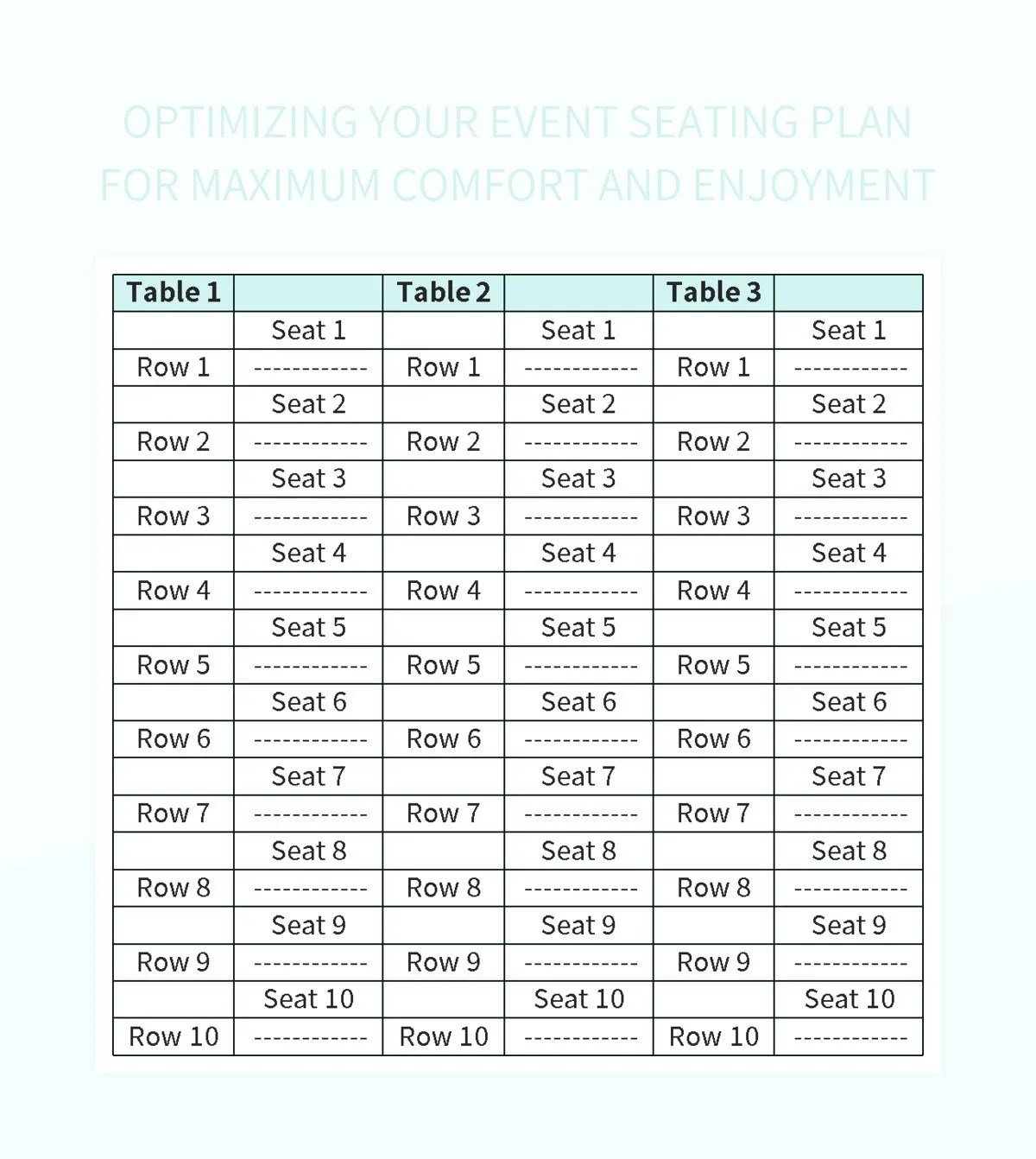
Optimizing guest flow and experience with seating plans isn't just about placing chairs; it's a strategic imperative that directly impacts your bottom line. Think about it: every diner, every event attendee, every bar patron — their journey through your space, from entry to exit, is profoundly shaped by how you arrange their seat. Get it right, and you unlock smoother operations, happier customers, and ultimately, a healthier business. Get it wrong, and you're leaving money and loyalty on the table.
This isn't just theory. Thoughtful bar seating arrangements, for instance, can boost customer dwell time by up to 20%, significantly increasing drink sales. For events, well-managed seating dramatically reduces wait times and elevates overall attendee satisfaction, turning one-off guests into loyal supporters. The secret lies in understanding that a seating plan is a dynamic tool, not a static blueprint.
At a glance: Key Takeaways for Seating Plan Mastery
- Beyond Chairs & Tables: Seating plans are strategic tools for enhancing comfort, promoting interaction, and maximizing revenue.
- Diverse Options Win: Offer a mix of seating styles (intimate, social, high-top, low-slung) to cater to varied guest needs.
- Flow is King: Design for unobstructed pathways and efficient movement for both guests and staff.
- Tech is Your Ally: Leverage reservation systems, real-time updates, and personalized service features (like "supporter tags") to streamline operations.
- Listen & Adapt: Actively seek guest feedback and be prepared to adjust your layouts. Flexibility fuels loyalty.
- Personalization Pays: Use data to offer tailored experiences, from dietary accommodations to VIP recognition.
Why Your Seating Plan is a Strategic Business Asset
Many businesses view seating arrangements as a logistical necessity rather than a potent driver of success. This is a missed opportunity. A meticulously crafted seating plan does more than just accommodate guests; it orchestrates their entire experience, influencing their mood, their interactions, and their willingness to spend and return.
The Unseen Power of Thoughtful Layouts
Imagine walking into a bustling bar. Do you gravitate towards the cozy booths tucked away in a corner, or are you drawn to the high-top communal table, buzzing with conversation? Your choice isn't random; it's a direct response to the environment designers have curated. A well-designed layout can:
- Enhance Comfort and Satisfaction: Studies suggest guests feel 30% more comfortable in spacious settings. When patrons feel at ease, they stay longer, order more, and are more likely to return. Cozy booths with plush sofas and soft lighting invite relaxation and intimate conversations, making date nights or special occasions truly memorable.
- Facilitate Social Interactions: Long communal tables encourage mingling and networking, perfect for lively happy hours or community events. Barstools at counter heights invite conversations with bartenders, creating a personal connection that enhances the experience.
- Maximize Space Efficiency: Every square foot of your venue is valuable real estate. Flexible furniture, like stackable chairs or foldable tables, allows you to adapt quickly to fluctuating guest numbers, ensuring you can always seat optimal covers without feeling cramped. Unobstructed pathways are non-negotiable for smooth guest and staff movement.
- Streamline Operations: Think about the flow of an event. Reducing wait times through efficient seating management isn't just a nicety; it's a critical component of attendee satisfaction and overall event success. Real-time updates to seating availability, managed through event management software, can transform a chaotic entrance into a smooth, welcoming process.
- Boost Revenue and Repeat Business: Increased dwell time means more opportunities for sales. A positive, comfortable experience directly translates into positive reviews, word-of-mouth marketing, and a loyal customer base. When guests feel valued and comfortable, they’re more inclined to become regulars.
The Anatomy of a Brilliant Seating Plan: Strategies for Success
Optimizing guest flow and experience requires a multi-faceted approach, blending design principles with technological smarts and a human touch. Let's break down the core strategies.
1. Crafting Diverse Environments for Every Mood
One size rarely fits all when it comes to guest preferences. Offering a variety of seating options caters to different needs and occasions, making your space more versatile and appealing.
- Intimate Zones: Create cozy nooks using booths, plush sofas, small round tables, and high-backed chairs. Partitions or subtle changes in lighting can define these areas, offering a sense of privacy for couples or small groups seeking a quiet conversation.
- Social Hubs: Encourage mingling and connection with long communal tables or strategically placed high-top tables. Barstools at a counter promote interaction with staff and fellow patrons, fostering a lively atmosphere.
- Flexible Adaptations: Incorporate adaptable arrangements like high-top tables for busy happy hours and lower, more relaxed seating for different times of the day or specific events. The ability to rotate configurations, even during peak times, keeps the atmosphere dynamic and responsive to demand.
2. Maximizing Space and Flow for Seamless Operations
Efficient use of space isn't just about cramming in as many seats as possible; it's about optimizing the experience within that space.
- Unobstructed Pathways: Ensure there's adequate spacing between tables, not just for guest comfort but also for staff to move freely. This prevents bottlenecks, reduces spills, and allows for quicker service.
- Flexible Furniture: Invest in furniture that can serve multiple purposes or be easily reconfigured. Stackable chairs, modular seating, or foldable tables offer incredible versatility, allowing you to scale up or down based on your expected guest numbers.
- Custom Floor Plans: For events, the ability to create to-scale, flexible layouts using advanced design principles is paramount. Event management software, for example, allows you to adapt to diverse event requirements and maximize every inch of space. This digital approach ensures optimal use of event space and helps maximize covers, whether it's a corporate dinner or a casual mixer.
3. Leveraging Technology for Seamless Management
In today's fast-paced world, technology isn't a luxury; it's a necessity for superior guest management.
- Reservation Systems: Integrate robust reservation systems (via app or website) to manage seating allocations and significantly reduce wait times. This not only enhances guest satisfaction but also provides valuable data for future planning.
- Real-Time Updates: Systems that allow for swift, real-time seating adjustments are game-changers. Imagine a sudden cancellation or a larger-than-expected walk-in party; the ability to quickly reallocate seats minimizes disruption and keeps the flow smooth. This responsiveness directly contributes to higher attendee satisfaction by enabling quick responses to changes in guest flow and seating availability.
- Personalized Service with "Supporter Tags": For events, platforms like Event.Gives excel here. They allow you to use "supporter tags" to track individual preferences, such as dietary restrictions, VIP status, or donor categories (e.g., VIP, Alumni). This data empowers staff to offer a truly personalized experience, improving satisfaction and, in the context of fundraisers, significantly boosting fundraising efforts.
- Streamlined Table Service: Tablets for staff can streamline order taking and payment processing, prioritizing efficiency and contributing to overall guest satisfaction. Consider integrating mobile payment solutions directly at the table.
- Communication Tools: Utilize features like unlimited messaging within event platforms to keep guests informed of event updates, changes, or even table assignments. This proactive communication enhances the attendee experience and improves staff-guest interaction.
4. Personalization and VIP Treatment
Making guests feel special is a surefire way to cultivate loyalty. Seating plans offer a direct avenue for this.
- Sponsor Tables and Reserved Seating: Incorporate dedicated spaces for key supporters, valued guests, or event sponsors. This enhances their experience, fosters a sense of importance and recognition, and can even encourage generosity for fundraising events.
- Tailored Experiences: Beyond dietary needs, use reservation data to anticipate preferences. A returning guest might appreciate being seated in their favorite spot, or a long-time donor could receive a prime table automatically. This level of personalized service elevates the entire experience.
5. Adaptability is Key: Learning and Evolving
The best seating plans are never truly finished; they are continually refined based on real-world performance and feedback.
- Seeking and Adapting to Feedback: Actively solicit guest input on seating preferences. This could be through direct conversations, comment cards, or digital surveys. Remain flexible and be prepared to adjust layouts based on this feedback, fostering a loyal customer base. Remember, gathering customer feedback is an ongoing process, not a one-time task.
- Rotating Configurations: Don't be afraid to experiment. What works for a bustling Saturday night might not be ideal for a quiet Tuesday lunch. The ability to quickly change configurations allows you to optimize the atmosphere and efficiency for different demands.
Seating Plans in Action: Beyond the Obvious
While bars and event halls are prime examples, the principles of optimizing guest flow and experience with seating plans extend far beyond these traditional settings.
- Restaurants: Beyond basic table settings, consider how seating impacts table turns. High-top communal tables might encourage quicker meals, while plush booths invite longer, more indulgent dining. The strategic placement of "power tables" can influence the perceived vibrancy of the room.
- Conferences and Workshops: Seating isn't just about listening to speakers. Create "networking zones" with comfortable lounge seating to encourage informal connections. Breakout rooms with flexible tables allow for collaborative group work, shifting from lecture style to interactive workshops seamlessly.
- Retail Spaces: While not traditional "seating," the concept of flow applies. Benches in fitting rooms, lounge areas for partners waiting, or comfortable chairs near product displays all contribute to a positive shopping experience, encouraging dwell time and reducing perceived rushing.
- Healthcare Waiting Rooms: Thoughtful seating in clinics or hospitals can reduce anxiety. Private alcoves, comfortable chairs, and even small work tables can make waiting less stressful and more productive.
Pitfalls to Avoid: Common Seating Plan Mistakes
Even with the best intentions, some common missteps can derail your efforts.
- The One-Size-Fits-All Approach: Assuming every guest wants the same experience or that one layout will suit all your operational needs is a recipe for mediocrity. Diversity and flexibility are key.
- Ignoring Guest Feedback: Failing to listen to your customers about comfort, noise levels, or privacy concerns means missing crucial opportunities for improvement. They are your primary source of real-world data.
- Over-Crowding: While maximizing covers seems appealing, packing too many tables into a space will inevitably lead to discomfort, noise issues, and a frantic atmosphere. This negatively impacts both guest experience and service quality.
- Neglecting Staff Workflow: A seating plan must work for your team as much as your guests. Blocked pathways, inconvenient service stations, or tables that are difficult to reach will slow down service and frustrate your staff.
- Lack of Flexibility: A rigid seating arrangement that can't adapt to different event types, guest numbers, or even seasonal changes will quickly become outdated and inefficient.
Implementing Your Optimized Seating Strategy: A Step-by-Step Guide
Ready to transform your space? Here’s how to put these principles into action.
1. Assess Your Space & Goals
Start with a thorough audit of your current layout. What works? What doesn't?
- Measure everything: Get precise dimensions of your space, existing furniture, and fixed structures.
- Observe guest flow: Watch how people move. Where are the bottlenecks? Where do people naturally congregate?
- Define your objectives: Are you aiming for increased dwell time, better event networking, faster table turns, or a more intimate ambiance? Your goals will guide your design.
2. Choose Your Tools
Modern problems require modern solutions.
- Event Management Platforms: For dynamic event seating, comprehensive platforms like Event.Gives offer an intuitive interface, minimalist design, and robust features. They simplify setting up tables, assigning seats quickly, managing events and payments on the go, and supporting real-time updates. Its budget-friendly options make it accessible for smaller organizations or one-off events, proving that effective table management is within reach.
- Design Software: Utilize digital tools to create custom floor plans. This allows you to experiment with layouts virtually before moving a single chair. Consider using our seating plan generator to visualize different configurations quickly.
- Reservation Systems: Invest in a reliable system that integrates with your overall operations, allowing guests to book easily and giving you real-time control over availability.
3. Design & Test Layouts
This is where creativity meets practicality.
- Draft Multiple Scenarios: Don't settle for the first idea. Create several layout options, visualizing how each one impacts guest flow, service paths, and atmosphere.
- Consider Diverse Needs: Incorporate areas for intimacy, socialization, and flexible uses.
- Pilot Testing (if possible): If you can, test a new layout during a slower period or a private event to iron out kinks before a full launch. Pay close attention to noise levels, comfort, and ease of movement.
4. Train Your Team
Even the most brilliant plan falls flat without proper execution.
- Communicate the "Why": Explain to your staff why the new layout is beneficial – for guests, for service, and for them.
- Hands-on Training: Walk them through the new floor plan, pointing out service zones, emergency exits, and specific table configurations. If using new software, ensure comprehensive support and direct training sessions are provided, as Event.Gives offers.
- Empower Flexibility: Train staff on how to make minor adjustments to seating on the fly, within established guidelines, to accommodate guest requests or unexpected changes.
5. Monitor & Refine
Optimizing is an ongoing process, not a one-time fix.
- Collect Data: Use your reservation system and POS data to track table turns, popular seating areas, and guest feedback.
- Solicit Feedback Continuously: Keep those feedback channels open – digital surveys, comment cards, or simply empowering your front-of-house staff to listen and relay observations.
- Regular Reviews: Schedule periodic reviews of your seating plan. Is it still meeting your objectives? Are there new trends or needs you should address? Be flexible to adjust layouts based on feedback, fostering a loyal customer base.
The Bottom Line: A Better Experience, A Bigger Boost
Optimizing guest flow and experience with seating plans is far more than an aesthetic exercise. It's a fundamental business strategy that touches every aspect of your operation, from customer satisfaction to staff efficiency and, ultimately, your revenue. By thoughtfully designing your space, embracing diverse seating options, leveraging smart technology, and committing to continuous improvement, you're not just arranging chairs; you're orchestrating memorable experiences. These experiences translate directly into increased dwell time, repeat business, glowing reviews, and a thriving bottom line. Invest in your seating strategy, and watch your business flourish.