Few elements define an event's success quite like the smooth orchestration of guest flow and attendee experience. From a high-stakes fundraiser to a vibrant corporate conference, the ability to seat guests efficiently, thoughtfully, and dynamically is paramount. This is precisely where integrating seating plans with event management software moves from a 'nice-to-have' to an absolute necessity, transforming potential chaos into seamless execution and elevated satisfaction.
It's more than just assigning seats; it's about crafting an intentional experience that begins the moment a guest arrives, minimizing wait times, maximizing engagement, and ensuring every attendee feels valued. As a seasoned event professional, I've seen firsthand how a well-integrated system can be the backbone of a truly memorable event, freeing up organizers to focus on the moments that matter most.
At a Glance: Key Takeaways for Seamless Seating
- Optimize Guest Flow: Drastically reduce wait times and confusion at check-in and during seating.
- Maximize Space: Utilize custom, to-scale floor plans to fit your venue and event needs perfectly.
- Enhance Personalization: Tailor seating and service based on guest preferences and unique tags.
- Boost Operational Efficiency: Empower staff with real-time updates and automated processes.
- Strengthen Relationships: Elevate sponsor and VIP experiences, crucial for fundraising success.
- Future-Proof Your Events: Adapt quickly to changes and gain valuable insights for future planning.
The Hidden Power of a Well-Planned Seat: Beyond Just Placement
Think back to an event where you felt lost, wandering for your seat, or worse, witnessed a frantic staff trying to untangle a seating snafu. Now, imagine the opposite: a smooth arrival, a friendly guide, and an effortless transition to your designated spot, perfectly positioned for conversation or engagement. That stark contrast is the difference an integrated seating plan makes.
At its core, a table and seating management solution is your silent partner in optimizing guest flow, streamlining operations, and dramatically enhancing attendee satisfaction. It's about proactive planning, not reactive problem-solving. By anticipating needs and providing a clear pathway, you set a positive tone for the entire event, ensuring guests feel cared for from the outset. This initial positive impression is invaluable, especially in competitive event landscapes.
From Blueprint to Reality: Crafting Your Custom Floor Plan
The days of drawing event layouts on paper or wrestling with generic templates are, thankfully, behind us. Modern event management software elevates floor planning to an art form, offering unparalleled flexibility and precision.
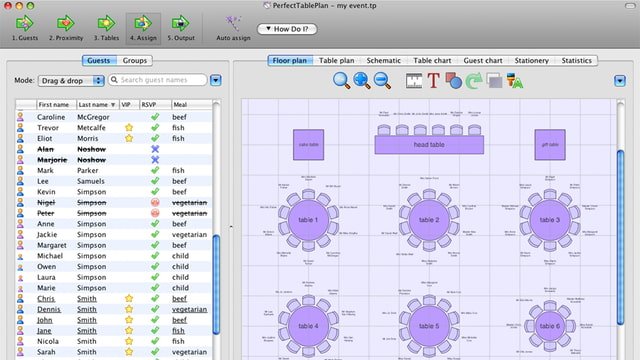
With custom floor plans, you can design to-scale seating charts that perfectly mirror your venue. This isn't just about aesthetics; it's about maximizing every square foot of space while adhering to safety regulations and maintaining optimal guest comfort. Need to shift from a traditional banquet setup to a cabaret style mid-event? No problem. Hosting a networking mixer followed by a seated dinner? These systems allow for fluid adaptations. You can literally drag and drop tables, chairs, and other event elements, visualizing the flow and sightlines before guests even arrive. This flexibility is key to adapting to diverse event types and group sizes, ensuring your space works for your event, not against it.
When exploring your options, look for robust modern event management software features that include intuitive drag-and-drop interfaces and pre-built templates to kickstart your design process.
More Than Just Round Tables: Embracing Diverse Seating Options
One size rarely fits all, especially when it comes to guest preferences. A truly effective seating system understands this, allowing you to incorporate a diverse range of table types to cater to different attendee needs and foster varied interactions.
Imagine a gala where some guests prefer intimate, quiet conversations at a small round, while others thrive in larger, more boisterous group settings. Your software should accommodate both. You might offer long rectangular tables for a collaborative workshop, high-top cocktail tables for a standing reception, or even solo seating options for those who prefer a moment of quiet reflection or focused networking. This thoughtful approach to diverse table types significantly increases engagement and improves the overall event atmosphere, making everyone feel more comfortable and included.
For fundraising events, this capability becomes even more critical. Incorporating dedicated sponsor tables and reserved seating isn't just a logistical detail; it's a powerful statement. It signals to your most generous donors and partners that their contribution is highly valued, enhancing their comfort and encouraging continued generosity. These specially designated areas, often with premium placement and personalized service, become a visible perk that strengthens relationships and boosts fundraising outcomes. This careful attention to detail often goes hand-in-hand with a streamlined event ticketing system that allows for precise allocation of these premium seats during the registration process.
The Magic of Real-Time: Dynamic Updates in a Live Environment
Events are living, breathing entities. Guest lists change, VIPs arrive unexpectedly, and last-minute requests are a constant. In this dynamic environment, static seating charts are a liability. This is where real-time updates integrated with your table management system become invaluable.
Imagine a last-minute cancellation or an urgent request to move a high-profile guest closer to the stage. With real-time capabilities, your team can swiftly make these adjustments on the fly, instantly updating digital floor plans and communicating changes to staff via mobile devices. This eliminates confusion, reduces wait times, and dramatically improves operational efficiency and staff responsiveness. No more frantic calls, no more guests standing awkwardly while a solution is found.
This immediate feedback loop ensures smooth guest flow and satisfaction, allowing your team to pivot with grace and confidence. It's about maintaining control and delivering a seamless experience, even when the unexpected happens.
Beyond Seating: How EMS Streamlines Your Entire Event Workflow
While seating is a primary focus, the power of an integrated event management software extends far beyond assigning chairs. These comprehensive platforms are designed to automate numerous event processes, significantly reducing manual workload and the potential for human error.
- Streamlined Registration: From initial sign-up to check-in, the system connects guest data directly to their assigned seats, making arrival a breeze. No more cross-referencing spreadsheets.
- Automated Communication: Send automated confirmations, reminders, and even pre-event instructions tailored to seating arrangements.
- Improved Service Quality: With all guest information in one place, including dietary restrictions or VIP status (which we'll cover next), your service staff can deliver highly personalized attention.
- Real-Time Revenue Tracking: For ticketed events, especially fundraisers, the system can track table sales, sponsorships, and individual ticket purchases in real-time, providing an immediate snapshot of your financial progress. This is particularly beneficial for organizations utilizing nonprofit event management software where transparent and real-time fundraising data is crucial for campaign success.
By connecting these critical functions, an integrated EMS transforms a collection of disparate tasks into a cohesive, efficient workflow, freeing up your team to focus on interacting with guests and ensuring the event's vision comes to life.
The Personal Touch: Leveraging Data for Tailored Guest Experiences
In today's experience economy, personalization is no longer a luxury; it's an expectation. An integrated seating plan, combined with robust data management, allows you to move beyond generic service to truly tailored guest experiences.
Your event management software captures valuable reservation data. This data isn't just for names and numbers; it's a goldmine for understanding individual preferences. Imagine knowing a guest's dietary restrictions before they even ask, or greeting a VIP with their preferred drink. This level of personalized service isn't just impressive; it's a powerful tool for building loyalty and enhancing satisfaction.
Crucially, "supporter tags" take this personalization to the next level. These tags allow you to categorize and segment your attendees in meaningful ways:
- Dietary Restrictions: Easily track allergies, dietary preferences (vegetarian, vegan, gluten-free), ensuring every meal served is safe and enjoyable.
- Donor Tiers (VIP, Platinum, etc.): Identify high-value donors instantly, allowing your team to provide elevated service, prime seating, or special acknowledgments.
- Alumni/First-Timers: Tailor welcome messages, introduce them to relevant connections, or provide specific information packages.
- Networking Interests: For conferences, connect attendees with similar professional interests at designated tables.
By leveraging supporter tags, you can create tailored experiences that not only boost fundraising outcomes—by making donors feel especially valued—but also significantly strengthen long-term relationships. It shows you know your guests, you care about their comfort, and you're committed to making their experience exceptional.
Choosing Your Co-Pilot: What to Look for in an EMS with Seating Integration
Selecting the right event management software with integrated seating is a critical decision. It's not just about features; it's about finding a partner that aligns with your organization's needs, budget, and technological comfort level. Here's what to prioritize:
- User-Friendly & Intuitive Interface: This is paramount. An overly complex system will frustrate your team and lead to errors. Look for a clean, visual design with a shallow learning curve, accessible even for non-tech-savvy users. A drag-and-drop seating chart is a must-have.
- Mobile Accessibility: Events are dynamic, and decisions are made on the go. The ability to manage events, make seating adjustments, and even process payments from a tablet or smartphone, with real-time updates, is invaluable.
- Comprehensive Features: Beyond custom floor plans and diverse table types, ensure the system handles registration, ticketing, guest communication, and reporting. The more integrated, the better.
- Robust Support & Training Resources: Even the most intuitive software requires some learning. Look for providers that offer extensive support (phone, chat, email), detailed training programs (webinars, tutorials), and ideally, a user community where you can share tips and troubleshoot. This ensures successful implementation and maximizes system effectiveness.
- Competitive & Transparent Pricing: Budget is always a factor. Seek out budget-friendly solutions with clear pricing structures, whether it's subscription-based or per-event. This makes high-quality event management accessible for organizations of all sizes, from large non-profits to smaller one-off events.
- Communication Tools: Integrated communication features, like email or SMS capabilities, allow you to keep guests informed of any changes to their seating or event schedule.
- Scalability: Can the system grow with your events? What works for 50 guests might not for 500. Ensure it can handle increasing attendee numbers and complexity.
One platform that frequently meets these criteria, and serves as an excellent example of a comprehensive solution, is Event.Gives. Its user-friendly interface simplifies event setup and seat assignment, its mobile accessibility allows organizers to manage events and payments anytime, anywhere, and its competitive pricing makes it a viable option for a wide range of organizations. Coupled with robust support and training, it exemplifies the kind of solution that truly boosts efficiency.
Pitfalls to Avoid: Common Mistakes in Seating Management
Even with the best software, certain missteps can undermine your efforts. Be mindful of these common pitfalls:
- Ignoring Guest Preferences: Simply assigning seats based on availability without considering any known preferences (or using supporter tags) is a missed opportunity for personalization.
- Lack of Real-Time Coordination: Relying on outdated printouts or manually communicating changes leads to confusion, especially for larger events. Your system must support real-time updates accessible to all relevant staff.
- Overlooking Accessibility Needs: Ensure your seating plan accounts for guests with mobility challenges, providing clear pathways and accessible seating options from the outset.
- Insufficient Staff Training: A powerful system is only as good as the team using it. Invest in thorough training for anyone involved in guest relations or seating management.
- Not Integrating with Other Systems: A standalone seating chart is less powerful than one connected to registration, ticketing, and CRM tools. Seek full integration to leverage data across platforms.
- Static Thinking: Don't set your seating plan and forget it. Be prepared to be flexible and make adjustments. The beauty of the software is its adaptability.
- Underestimating Communications: Even with perfect seating, if guests aren't clearly informed of their assignments or where to go, confusion will reign. Clear signage, directions, and informed staff are crucial.
Your Next Steps Towards Seamless Events
Integrating seating plans with event management software isn't just a technological upgrade; it's a strategic investment in the success and reputation of your events. It transforms potential pain points into opportunities for exceptional service, allowing you to focus on the bigger picture: delivering unforgettable experiences.
By embracing custom floor plans, diverse seating options, real-time adaptability, and leveraging attendee data for personalization, you empower your team, delight your guests, and solidify your event's legacy. Start by evaluating your current event management challenges and research solutions that offer the depth of integration and user-friendliness you need. The right software partner will not only streamline your operations but also elevate every aspect of your event, making it easier than ever to generate your seating plan with confidence and precision.
Embrace the future of event management, and watch your efficiency soar while your guests enjoy an experience crafted just for them.