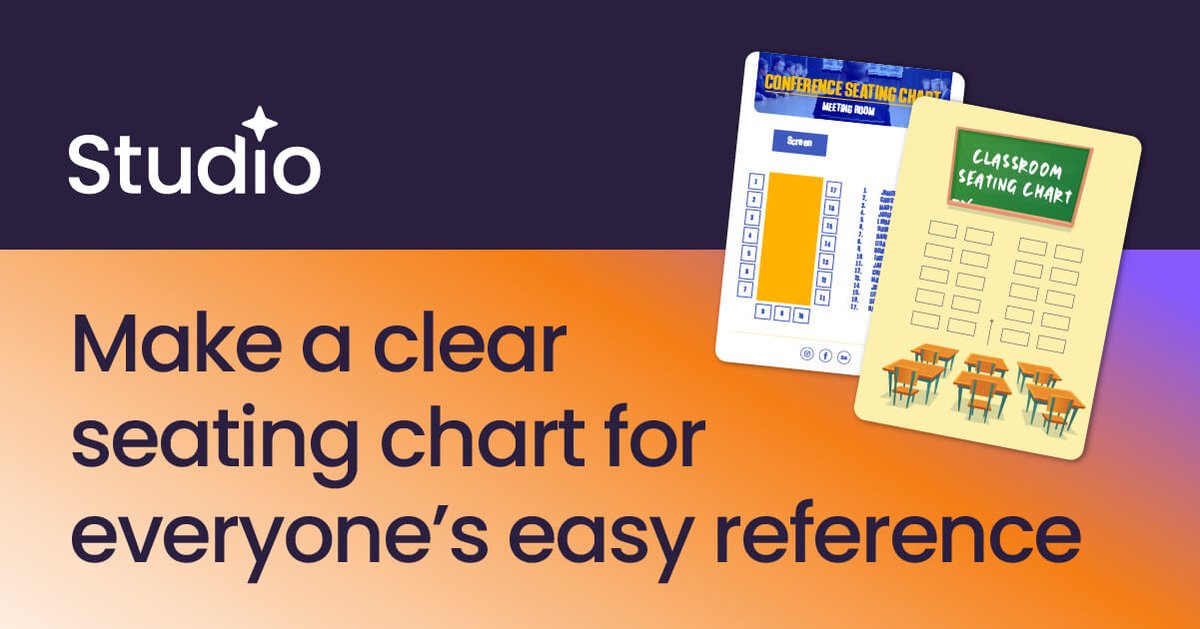
Imagine a classroom where every student is positioned for optimal learning, where collaboration thrives, and disruptions are minimized without you spending hours on manual setup. This isn't just a pedagogical ideal; it's a tangible reality made possible by the advanced features in seating plan generators. These aren't your grandmother's rudimentary grid tools; modern generators leverage sophisticated algorithms and deep customization to transform how educators manage their physical learning spaces.
Gone are the days of wrestling with sticky notes or meticulously drawing diagrams. Today's tools offer an intuitive, data-driven approach, empowering teachers to craft dynamic, effective seating arrangements in minutes. The result? A significant boost in classroom efficiency, student engagement, and overall academic success.
At a Glance: What Advanced Seating Plan Generators Deliver
- Unprecedented Time Savings: Drastically cut down planning from hours to mere seconds.
- Tailored Classroom Layouts: Access a rich array of desk configurations to suit any teaching style or activity.
- Smart Student Placement: Utilize intelligent algorithms for grouping based on behavior, ability, or social interaction goals.
- Enhanced Classroom Control: Proactively reduce disruptions and foster focused learning environments.
- Boosted Student Interaction: Encourage diverse peer connections and a more inclusive atmosphere.
- Support for Differentiated Learning: Easily group students for targeted instruction and support.
- Professional, Print-Ready Plans: Generate clear, color-coded charts for effortless use by teachers, subs, or administrators.
- Complete Privacy & Accessibility: Enjoy secure, free-to-use tools that work on any device.
Beyond the Basics: Why "Smart" Seating Matters
A seating plan generator, at its core, is an online tool designed to automate the creation of organized seating arrangements. But "basic" only scratches the surface. What sets an advanced generator apart is its ability to move beyond simple rows, offering a strategic approach to student placement that directly impacts learning outcomes. These smart algorithms and extensive customization options instantly arrange students or guests according to your precise specifications, making every seat count.
Educators know that where a student sits isn't just a logistical detail; it's a critical component of classroom management and instructional strategy. Strategic seating has been shown to reduce behavioral disruptions by up to 40% and increase on-task behavior by 35%, according to research by Wannarka & Ruhl (2008). Advanced seating plan generators turn this knowledge into actionable plans, helping you curate an environment conducive to learning, collaboration, and individual growth.
Mastering Your Space: Versatile Desk Layouts for Every Need
No two classrooms are identical, and no single desk arrangement fits every lesson. Advanced seating plan generators understand this, offering a diverse array of layouts to match your specific pedagogical goals and room configurations. This flexibility is a cornerstone of effective classroom design.
You can instantly switch between:
- Traditional Rows: Ideal for direct instruction, tests, or when focused individual work is paramount.
- Paired Desks: Perfect for buddy work, peer tutoring, or collaborative problem-solving in pairs.
- Small Groups (4): Excellent for cooperative learning activities, group projects, and fostering discussion among a tight-knit team.
- U-Shape: Promotes class-wide discussion, allows the teacher easy access to all students, and creates a sense of community for presentations or debates.
- Large Clusters (6): Great for more extensive group projects, team-based competitions, or hands-on activities requiring more space and interaction.
- Custom Grid: For those unique room shapes or specialized setups, offering the freedom to define your own rows and seats per row (typically configurable for 1-10 rows and 1-12 seats per row).
This robust selection ensures that whether you're teaching elementary math, middle school science, or high school literature, your physical space can adapt to your lesson, not the other way around.
The Brains Behind the Plan: Intelligent Arrangement Algorithms
This is where the true "advanced" nature of modern seating plan generators shines. These tools aren't just moving names around; they're applying research-backed strategies to optimize student placement. Teachers save an average of 2-3 hours per term by automating what used to be a time-consuming mental puzzle. The ability to choose from a variety of intelligent assignment types is a game-changer:
- Random Assignment: The go-to for fostering new interactions and preventing cliques. Regularly rotating seating this way can increase cross-group friendships by 60%, boosting social skills and emotional intelligence.
- Alphabetical (A-Z) & Reverse Alphabetical (Z-A): Useful for quick attendance checks or when a predictable order is preferred.
- Zigzag Pattern: Encourages students to interact with different classmates in their immediate vicinity, promoting a dynamic and inclusive environment.
- Alternate Boy-Girl: A simple yet effective strategy for balancing classroom dynamics and reducing gender-based cliquishness.
- Ability Level Grouping: This feature is a dream for differentiated instruction. By tagging students (e.g., A, B, C for advanced, proficient, developing), you can effortlessly group learners with similar needs for targeted support or create mixed-ability groups to promote peer teaching. Strategic seating has been shown to improve test scores by an average of 12% (Journal of Educational Psychology, 2019).
- Behavior-Based Positioning: Perhaps one of the most powerful tools for classroom management. Teachers can tag students (+ for positive influencers, - for those needing more structured support) to strategically separate disruptive students, pair struggling learners with positive role models, or distribute well-behaved students to help manage group dynamics.
These algorithms aren't just clever; they're designed to empower you with proactive strategies for a more harmonious and productive learning environment. They transform the manual chore of seating into a data-driven art.
Beyond Names: Advanced Student Tagging and Customization
A truly advanced seating plan generator allows for granular control over student attributes and room specifics. It’s about more than just a list of names; it’s about understanding the individual needs of your students and the nuances of your physical space.
- Advanced Student Tagging: This is where you bring your student knowledge into the plan. Most robust generators support multiple tags per student, allowing you to combine strategies. For instance, you could enter "John Smith (B) (A+) (–)" to indicate John is a boy, an advanced student, and sometimes needs help with behavior. This level of detail enables the sophisticated algorithms to place students optimally. You can work with names or even student ID numbers for enhanced privacy or integration.
- Gender: (B/G) for boy-girl alternating.
- Ability: (A/B/C) for ability-based grouping.
- Behavior: (+/-) for behavior-based positioning.
- Customization Options: The best tools offer extensive configurability to mirror your actual classroom.
- Room Dimensions: Easily adjust for 1-10 rows and 1-12 seats per row.
- Teacher Desk Positions: Place your desk strategically – front center, front left, back, or even remove it entirely for student-centric layouts.
- Automatic Empty Seat Handling: Don't worry about gaps; the generator intelligently fills or omits seats based on your student count.
- Visual Color-Coding: Quickly identify different groups or student types at a glance.
- Horizontal Scroll: For those extra-wide arrangements, ensuring you can view your entire plan effortlessly.
These features enable you to create a dynamic, responsive seating chart that adapts to your daily needs and classroom realities.
Bringing it to Life: How to Use an Advanced Seating Plan Generator
Harnessing these powerful features is surprisingly straightforward. The beauty of a well-designed online tool like our seating plan generator is its user-friendliness, despite its underlying complexity. Here's a typical step-by-step process:
- Choose Your Desk Layout: Start by selecting the arrangement that best suits your lesson or class dynamic – traditional rows, small groups, U-shape, or a custom grid.
- Configure Room Dimensions: Adjust the number of rows and seats per row to accurately reflect your physical classroom space.
- Select Arrangement Type: This is where you apply your strategic thinking. Pick an algorithm like "random" for inclusion, "ability-based" for differentiated instruction, or "behavior-based" for classroom management.
- Position Teacher Desk: Indicate your preferred desk location.
- Enter Student Information: Type or paste your student roster. This is also where you'll add the advanced tags (e.g., "Jane Doe (G) (A) (+)", "Mark Lee (B) (C) (–)"). Ensure each student is on a new line.
- Generate Seating Plan: With a single click, the generator processes your inputs and instantly creates a professional, color-coded seating chart.
- Print or Save: The final plan is optimized for printing (usually landscape orientation) or can be saved as a PDF for digital records, sharing with substitute teachers, or administrators.
This streamlined process means you can iterate through different seating plans in moments, finding the perfect fit without the usual administrative burden.
Best Practices: Maximizing the Impact of Your Seating Plans
An advanced tool is only as effective as the strategies you employ. Here’s how to get the most out of your dynamic seating arrangements:
- Rotate Regularly: Don't let seating get stale. Change arrangements every 2-4 weeks for elementary, 3-6 weeks for middle school, and 4-8 weeks for high school. This keeps students engaged and encourages new interactions.
- Consider Individual Needs: Always prioritize students with visual/hearing impairments, attention deficits, or mobility requirements. Position them for optimal access and reduced distractions.
- Balance Dynamics: Use behavior-based arrangements to strategically separate disruptive students and distribute positive role models throughout the room.
- Communicate Your Reasoning: Explain to students why you use assigned seating. Highlight the benefits of fairness, developing social skills, and gaining new perspectives from different classmates. This transparency builds buy-in.
- Keep Records: Print or screenshot past plans. This helps you track variety, identify successful combinations, and avoid unintentional repetitions.
- Allow Flexibility: Occasionally offer student choice for special activities or as a reward. This balance empowers students while maintaining structure.
- Start Fresh: Introduce new arrangements at the beginning of terms, units, or major projects to signal a fresh start and new opportunities for interaction.
Tailoring Seating to Every Grade Level and Beyond
The beauty of advanced seating plan generators is their adaptability. The same core features can be leveraged differently to suit various educational stages and even non-classroom settings.
For the Classroom:
- Elementary (K-5): Focus on clustered seating (paired desks, small groups) to foster social learning and cooperative play. Rotate every 2-3 weeks to ensure broad interaction.
- Middle School (6-8): Rotate every 3-4 weeks to prevent cliques from forming. Mix layouts by subject, using ability-based grouping for targeted support in challenging areas.
- High School (9-12): Longer seating periods (4-6 weeks) can work here. Ability-based grouping is excellent for advanced placement or remedial classes. Consider allowing some student input while maintaining overall structure for ownership.
- Special Education: Place students needing support near the front, create clear sight lines, use paired desks for peer buddies, and consider sensory needs when positioning.
Beyond Traditional Classrooms:
The versatility of these tools extends far beyond daily lessons. Think about:
- School Events & Assemblies: Efficiently arrange large groups of students or guests.
- Testing Centers: Optimize for focus and integrity, separating students effectively.
- Training Workshops: Facilitate group work or individual focus as needed.
- Meeting Rooms: Create balanced seating for discussions.
- Parent-Teacher Conferences: Organize waiting areas or individual meeting stations.
- Study Groups & Tutoring Centers: Design collaborative or focused arrangements.
Any scenario requiring organized group placement benefits from the speed and precision of an advanced seating plan generator.
The Research-Backed Edge of Strategic Seating
The advantages of using advanced features in seating plan generators are not just anecdotal; they are supported by educational psychology and classroom experience.
- Academic Achievement: Strategic seating, especially when considering ability or behavior, can significantly impact learning. Studies have shown improved test scores by an average of 12%.
- Classroom Management: As mentioned, assigned seating dramatically reduces behavioral disruptions (by 40%) and boosts on-task behavior (by 35%). This frees up valuable teaching time.
- Social Development: Regular rotation and random assignments increase cross-group friendships by up to 60%, fostering empathy, collaboration, and a more inclusive school culture.
- Engagement & Participation: A well-thought-out plan can draw out quieter students and encourage broader class participation.
- Reduced Anxiety: For many students, knowing where they belong reduces social stress and anxiety, allowing them to focus on learning.
- Inclusive Culture: By breaking down pre-existing cliques and encouraging interactions with diverse peers, these tools help create a more democratic and welcoming learning environment.
Why Free, Advanced Generators Outshine Commercial Software
You might assume that such powerful and nuanced features come with a hefty price tag, but surprisingly, many of the most comprehensive tools are completely free. This often leaves educators wondering how a free generator stacks up against commercial offerings. The answer? Often, it surpasses them.
Consider the leading free options available today. They typically offer:
- More Features: Free tools often provide 7 arrangement algorithms (random, alphabetical, zigzag, boy-girl, ability, behavior, reverse alphabetical) compared to the typical 2-3 found in paid software.
- More Layouts: With 6+ custom desk layout styles, free generators offer greater versatility than the limited options in many commercial products.
- Instant Online Access: No installation, no accounts, just immediate use on any device – a stark contrast to often cumbersome paid software.
- Complete Privacy: Crucially, many free tools keep all data in your browser, meaning nothing is saved to external servers, ensuring unparalleled privacy and security. Commercial software often requires user accounts and stores data, raising privacy concerns.
- No Hidden Costs or Limits: Free forever, with no registration, usage limits, or upsells, unlike subscriptions that can range from $50-$200 per year.
- Capacity: Support for a large number of students (e.g., up to 120) without performance issues.
This makes a high-quality free seating plan generator not just a cost-effective choice, but often the superior option for educators who need robust functionality, ease of use, and peace of mind regarding data privacy.
Crafting Your Ideal Learning Environment
The journey to a perfectly managed classroom is ongoing, but advanced features in seating plan generators provide an incredibly powerful compass. By moving beyond basic grids to embrace intelligent algorithms, diverse layouts, and detailed student tagging, you transform seating from a mundane task into a strategic lever for student success.
Take control of your classroom dynamics, empower student interaction, and reclaim valuable planning time. Explore how these advanced tools can revitalize your teaching practice and create an environment where every student thrives. The future of classroom management is intelligent, intuitive, and, for many, entirely free to access.